You are invited to consider the Elegant Neo-Classical Fluted Glass Wall Sconce, a lighting fixture designed to integrate with various interior design schemes. This article will provide an overview of its design, construction, historical context within lighting, installation considerations, and maintenance requirements. Understanding these aspects will allow you to make an informed decision regarding its suitability for your space.
The design of the Elegant Neo-Classical Fluted Glass Wall Sconce is rooted in a deliberate return to classical artistic principles, characterized by simplicity, symmetry, and an emphasis on formal balance. This approach seeks to avoid ornamentation that might detract from its core functionality and aesthetic purpose.
Form and Structure
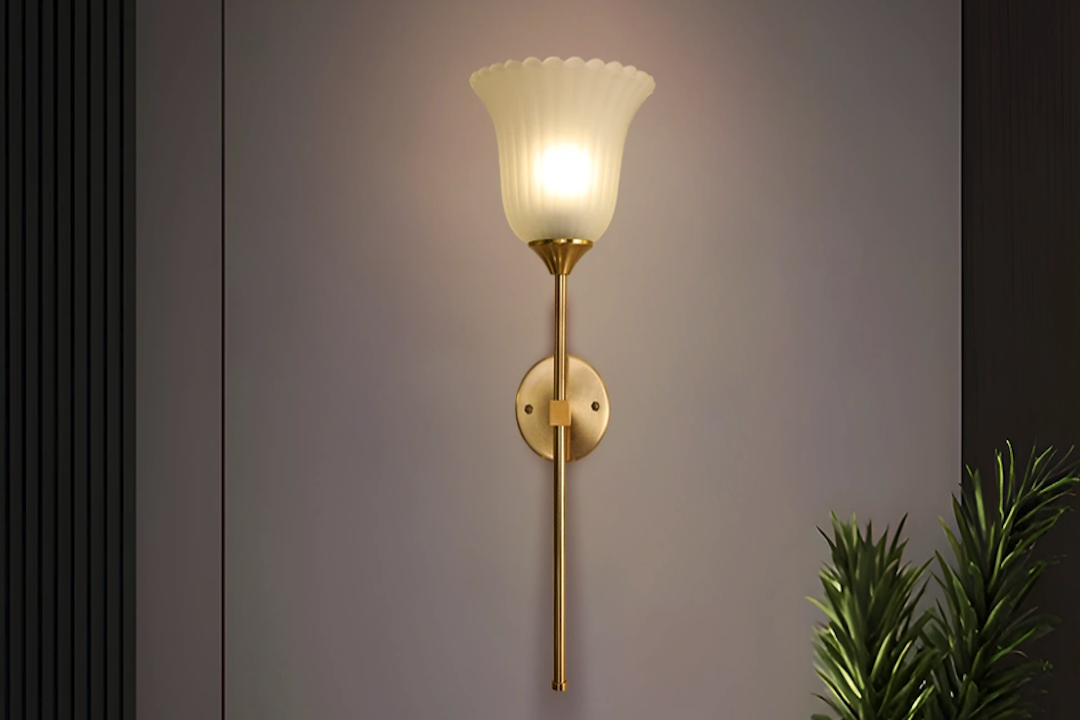
The sconce typically features a metal backplate, which serves as the primary mounting point and electrical housing. This backplate is often rectangular or oval, providing a stable foundation for the fixture. Extending from the backplate is an arm or series of arms, engineered to support the glass element. The interplay of these metallic components with the transparent glass creates a visual dialogue between strength and delicacy.
The Fluted Glass Shade
The defining characteristic of this sconce is its fluted glass shade. Fluting refers to a series of vertical grooves or channels, a motif borrowed from classical architecture, particularly the columns of ancient Greek and Roman temples. These channels are not merely decorative; they serve a functional purpose in light Hotedecor diffusion. The fluted surface refracts and distributes light in a manner that softens the output, reducing harsh glare while still providing ample illumination. The glass itself is usually a frosted or etched finish, further contributing to this diffused light quality.
Material Palette
The choice of materials is central to the sconce’s neo-classical character. Brass, bronze, or polished nickel are common choices for the metalwork. These metals are selected for their durability and their ability to be finished in ways that complement both the classical design language and contemporary interiors. The glass is typically toughened or heat-resistant, ensuring its longevity and safety in a lighting application.
Visual Harmony
The overall visual effect is one of understated elegance. The clean lines and regular patterns contribute to a sense of order and serenity. This design avoids the elaborate scrollwork of Rococo or the industrial starkness of more modern styles, instead occupying a middle ground that prioritizes balance and refinement. The absence of extraneous decorative elements means the sconce can integrate seamlessly into a variety of aesthetic environments without dominating the space.
Historical Context of Wall Sconces
To appreciate the Elegant Neo-Classical Fluted Glass Wall Sconce, it is beneficial to understand the historical trajectory of wall-mounted lighting. Sconces have a long and adaptable history, evolving with advancements in technology and shifts in aesthetic sensibilities.
Early Origins
The concept of a wall-mounted light source dates back millennia. Primitive sconces were simply brackets or holders affixed to walls, designed to hold torches or oil lamps. These early devices served a purely utilitarian function, providing necessary illumination in shelters and dwellings. Materials were rudimentary, often wood or iron, reflecting the available resources and manufacturing capabilities of the time. Their placement was strategic, aimed at maximizing light distribution within dimly lit spaces.
Medieval and Renaissance Period
During the Medieval and Renaissance periods, sconces became more sophisticated. They were often crafted from wrought iron or bronze and held candles. The design began to incorporate decorative elements, though still primarily functional. In grander settings, such as castles and cathedrals, sconces might feature intricate smithing or even incorporate reflective plates to amplify the candle’s modest light. Their presence often indicated a certain level of affluence or institutional importance.
The Age of Enlightenment and Gaslight
The 18th century, with its emphasis on classical ideals, saw a burgeoning interest in more refined lighting fixtures. This era, preceding the widespread adoption of electricity, relied on candles and, later, gaslight. Sconces from this period began to emulate classical forms, drawing inspiration from Greco-Roman art and architecture. Materials like polished brass and crystal were introduced, elevating the sconce from a mere utility to an item of decorative art. The advent of gaslight in the 19th century further revolutionized interior lighting, allowing for brighter and more consistent illumination, and sconces were adapted to accommodate these new fuel sources with appropriate gas lines and fixtures.
The Electric Era and Neo-Classicism
The late 19th and early 20th centuries marked the transformative shift to electric lighting. This new technology freed lighting designers from the constraints of open flames or gas lines, allowing for unprecedented flexibility in design and placement. The Neo-Classical movement, seeking a return to the perceived purity and order of ancient models, found a natural expression in electric sconces. Designers of this period adapted classical motifs, such as fluting, symmetry, and balanced proportions, to the new medium of electricity. The Elegant Neo-Classical Fluted Glass Wall Sconce is a direct descendent of this tradition, marrying classical design principles with modern electrical technology. It represents a continuous line of design evolution, demonstrating how enduring aesthetic values can be reinterpreted across different technological eras.
Installation and Placement
Proper installation and thoughtful placement are crucial for maximizing the aesthetic and functional contributions of the Elegant Neo-Classical Fluted Glass Wall Sconce. These fixtures are designed to be permanently wired into a dwelling’s electrical system. Installation must be executed with attention to safety and local electrical codes.
Electrical Considerations
Before any physical installation, the appropriate electrical preparations must be in place. This includes a junction box at the desired mounting location, properly wired to a circuit controlled by a wall switch. Consistency in power supply and voltage is essential. If the sconce is intended to be dimmable, ensuring compatibility with a suitable dimmer switch is paramount. If you are not familiar with residential electrical wiring, contacting a qualified electrician is advised to ensure compliance with all safety standards and regulations. Incorrect wiring poses a significant safety hazard.
Mounting Height
The optimal mounting height for a wall sconce is a critical factor influencing both illumination and visual balance. General guidelines suggest mounting the center of the sconce approximately 60 to 72 inches (152 to 183 cm) from the floor. This range typically places the light source above direct eye level for most individuals, minimizing glare and distributing light effectively across the space. However, this is not a rigid rule. In areas with higher ceilings, or in specific architectural contexts, adjustments may be necessary. For instance, in a hallway, consistent spacing and height create a rhythm. When flanking a mirror or artwork, the sconce’s height should be coordinated with the central focal point.
Spacing and Symmetry
When installing multiple sconces, especially in corridors or larger rooms, attention to spacing is vital. Maintaining regular intervals creates a sense of order. For example, in a long hallway, sconces could be spaced every 8 to 10 feet (2.4 to 3 meters). When used in pairs, such as on either side of a fireplace, a doorway, or a piece of furniture, symmetry becomes a key consideration. The distance from the central axis to each sconce should be identical to achieve a balanced composition. This symmetrical arrangement aligns with the inherent neo-classical appreciation for order and equilibrium.
Room Context and Purpose
Consider the room’s function and the specific purpose the sconce will serve. If it is intended for ambient lighting in a living room, its light output and diffusion characteristics are paramount. If it is for task lighting in a reading nook, its proximity to the area needing illumination and its light beam direction become more relevant. For decorative purposes in an entryway, its visual presence and how it complements other design elements might take precedence. The fluted glass provides a diffused light, making it suitable for ambient or accent lighting rather than intense task illumination. Ensure the sconce’s scale is appropriate for the wall space it occupies, neither overwhelming nor appearing insignificant.
Maintenance and Care
Maintaining the Elegant Neo-Classical Fluted Glass Wall Sconce involves routine cleaning and occasional inspections to ensure its longevity and continued aesthetic appeal. Given its materials, specific care protocols are recommended to prevent degradation or damage.
Routine Cleaning
Regular dusting is the most fundamental aspect of maintenance. Dust accumulation can diminish light output and mar the appearance of both the metalwork and the glass. A soft, dry microfiber cloth is generally sufficient for surface dusting. For more persistent dust or light grime, a slightly damp cloth can be used.
Glass Care
The fluted glass shade, while durable, requires careful handling. A mild, non-abrasive glass cleaner can be applied to a soft cloth, not directly to the glass, to remove fingerprints or smudges. Avoid harsh chemical cleaners, as these can etch or cloud the glass over time, particularly if it has a frosted or etched finish. Ensure that no liquid seeps into the electrical components. After cleaning, thoroughly dry the glass to prevent water spots. When removing the glass shade for deeper cleaning, always handle it gently and follow the manufacturer’s instructions for disassembly and reassembly to prevent breakage.
Metalwork Care
The metal components (brass, bronze, nickel, etc.) should be cleaned according to their specific finish. Polished metals can be wiped with a damp cloth and then dried. For lacquered finishes, which are common to prevent tarnishing, avoid abrasive cleaners or polishes that could strip the protective layer. If the metal is unlacquered and allowed to naturally patina, cleaning should focus on preventing excessive dirt accumulation rather than maintaining a pristine shine. If your sconce has an unlacquered finish and you wish to clean the patina or tarnish, use metal polishes specifically designed for that metal type, applied sparingly with a soft cloth. Always test any cleaning product on an inconspicuous area first.
Electrical Inspection
Periodically, it is advisable to inspect the electrical connections and wiring. This typically involves ensuring that all components are securely fastened and that there are no visible signs of fraying wires or loose connections. If you observe any issues, such as flickering lights or unusual smells, discontinue use immediately and consult a qualified electrician. Never attempt to repair electrical issues yourself unless you are qualified and understand the inherent risks. Ensure that light bulbs are of the correct wattage and type as specified by the manufacturer to prevent overheating and premature fixture degradation.
Bulb Replacement
When replacing bulbs, ensure the fixture is switched off and cool to the touch. Use bulbs that match the specified wattage and base type (e.g., E12, E26). LED bulbs are often recommended due to their energy efficiency and longer lifespan, which reduces the frequency of replacements. Always refer to the manufacturer’s guidelines for compatible bulb types and maximum wattage.
Conclusion and Integration
The Elegant Neo-Classical Fluted Glass Wall Sconce stands as a testament to enduring design principles. It offers a combination of historical resonance and practical utility, making it a considered addition to various interior environments.
Timeless Appeal
The term “timeless” in design refers to an aesthetic that transcends fleeting trends. The neo-classical style, with its emphasis on proportion, simplicity, and order, embodies this quality. This sconce avoids excessive ornamentation in favor of clean lines and a refined silhouette. Such design decisions ensure that it can integrate effectively into a range of interiors – from traditional and transitional to subtly contemporary – without becoming anachronistic. It functions as an anchor, providing a sense of stability and formal elegance.
Versatile Integration
Consider this sconce not as a singular, isolated object, but as an element within a larger composition. Its neutral color palette, often comprising metallic tones and frosted glass, allows it to harmonize with a wide spectrum of interior design schemes. For instance, in a traditional setting, it would complement classic furniture proportions and rich wood tones. In a transitional space, it could bridge the gap between classic and modern elements. Even in minimalist or understated contemporary interiors, its structured form can provide a subtle layer of sophistication without clashing with the overall aesthetic.
Practical Considerations
Beyond its visual appeal, the sconce serves a functional role. The fluted glass provides a diffused, ambient light, suitable for creating a welcoming atmosphere without harsh glare. This makes it ideal for hallways, entryways, living rooms, and bedrooms. When used in pairs, it provides balanced illumination and visual symmetry, which is particularly effective in defining architectural features or flanking focal points. It also acts as an accent, highlighting wall art, architectural details, or simply providing a gentle wash of light that softens a room’s edges.
Investment in Design Longevity
Choosing a fixture like the Elegant Neo-Classical Fluted Glass Wall Sconce is an investment in design longevity. It is predicated on the idea that good design endures. By understanding its design roots, construction, and appropriate care, you can ensure that this fixture not only enhances your current living space but continues to do so for many years. It represents a conscious choice for a well-considered and measured approach to interior lighting, prioritizing enduring style over transient fads.