
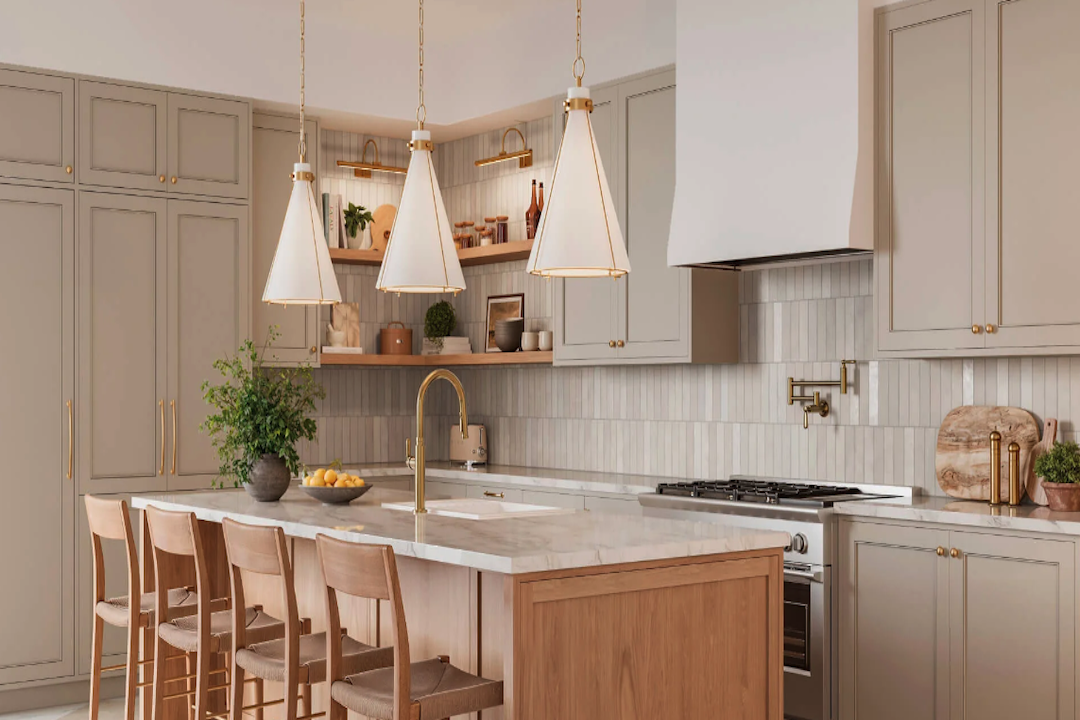
Task pendant lighting can significantly improve the functionality and aesthetic of a kitchen prep zone. This form of lighting is designed to provide focused illumination directly onto a specific work area, such as countertops, islands, or sinks. Unlike ambient lighting, which provides general illumination for the entire room, or accent lighting, which highlights decorative features, task lighting is about utility. In a kitchen, where precise chopping, measuring, and cooking occur, effective task lighting is not just a design choice but a crucial element for safety and efficiency.
Task pendant lighting Dililamp involves luminaires that hang from the ceiling, typically suspended by a cord, chain, or rod, with the light source directed downwards. The “pendant” aspect refers to the way the fixture hangs, resembling a pendant worn as jewelry. The “task” designation signifies its primary purpose: to illuminate a specific functional area.
The Anatomy of a Task Pendant Light
A task pendant light generally consists of several key components:
Light Source
This can be an incandescent bulb, a halogen bulb, a compact fluorescent lamp (CFL), or most commonly in modern applications, a light-emitting diode (LED) module. LEDs offer advantages in terms of energy efficiency, longevity, and design flexibility. The type of light source dictates the color temperature (warm to cool white) and the brightness (lumens) of the light projected.
Luminaire Housing (Shade or Fixture)
This is the visible part of the pendant, often made from metal, glass, plastic, ceramic, or wood. The design of the housing plays a crucial role in directing the light. For task lighting, opaque or partially opaque shades are often preferred as they prevent glare and concentrate the light downwards. Some designs feature adjustable heads or reflector systems to fine-tune the beam spread.
Suspension System
This is the mechanism by which the pendant is attached to the ceiling and hangs down. It can be a simple wire, a decorative chain, a rigid rod, or a combination of these. The length of the suspension system is adjustable in many models, allowing for precise placement relative to the work surface.
Electrical Components
This includes the wiring that connects the pendant to the building’s electrical supply and the socket or driver that powers the light source.
Distinguishing Task Lighting from Other Lighting Types
It is important to differentiate task pendant lighting from other lighting categories to understand its specific role:
Ambient Lighting
Ambient lighting, often provided by ceiling fixtures or recessed lights, forms the base layer of illumination in a kitchen. It sets the overall mood and visibility of the room. Task pendant lighting supplements, rather than replaces, ambient lighting.
Accent Lighting
Accent lighting is used to draw attention to specific elements, such as artwork, architectural features, or decorative displays. While a pendant might incidentally highlight an island, its primary purpose is illumination of the work surface.
The Science of Light and Task Performance
The effectiveness of task lighting is rooted in the principles of photobiology and human visual perception. Sufficient light levels are critical for reducing eye strain and improving the accuracy of visual tasks.
Illuminance Levels
Illuminance, measured in lux or foot-candles, quantifies the amount of light falling on a surface. Kitchen prep zones typically benefit from higher illuminance levels than general living areas. Regulatory bodies and lighting associations often provide recommendations for ideal task lighting levels in kitchens. For example, areas where detailed food preparation occurs might require 500 lux or more.
Color Rendering Index (CRI)
The CRI of a light source indicates its ability to accurately reproduce the colors of illuminated objects. A high CRI (typically 80 or above) is important in a kitchen, especially when distinguishing between different food ingredients or assessing the doneness of cooked items. Task pendant lights with high CRI sources ensure that colors appear natural.
Glare and Visual Comfort
Glare, which is excessive brightness that can cause visual discomfort or impair vision, is a common concern with any lighting system. Properly designed task pendant lighting minimizes glare by directing light downwards and shielding the bulb. The fixture’s design and placement are key to achieving visual comfort during prolonged work periods.
Strategic Placement for Optimal Illumination
The effectiveness of task pendant lighting is directly proportional to its placement. Incorrect positioning can lead to shadows, glare, or inadequate coverage, negating its benefits.
Illuminating Kitchen Islands and Peninsulas
Kitchen islands and peninsulas are prime candidates for task pendant lighting. These areas often serve as the primary food preparation hubs, requiring bright, focused light.
Pendant Spacing
The number and spacing of pendants over an island are critical. A general guideline is to position pendants at intervals that ensure the entire working surface is adequately illuminated without creating dark spots or overlapping intense beams. The specific dimensions of the island and the beam spread of the chosen pendants will influence optimal spacing. A common approach is to divide the island’s length by the number of pendants, then adjust based on the fixture’s coverage.
Pendant Height
The ideal height for pendants over an island is a balance between providing sufficient task light and maintaining clear sightlines. Typically, pendants are hung 30 to 36 inches above the countertop surface. This height allows for comfortable working without being so high that the light is too diffuse, or so low that it obstructs conversation across the island. Taller ceilings may necessitate slightly lower hanging pendants.
Overlapping Light Pools
By strategically placing multiple pendants, their light beams can slightly overlap. This overlap ensures consistent illumination across the entire surface and avoids the creation of sharp shadow lines, which can be problematic during intricate tasks. Imagine overlapping spotlights to create a continuous, well-lit stage.
Lighting Sink and Countertop Workstations
Beyond islands, other key prep areas like the sink and significant stretches of countertop also benefit from dedicated task lighting.
Under-Cabinet Lighting as a Complement
While this article focuses on pendants, it’s worth noting that under-cabinet lighting serves a similar purpose for lower cabinets and backsplash areas immediately adjacent to countertops. Task pendants can fill in the gaps or provide a more significant light source for larger countertop expanses not covered by under-cabinet fixtures.
Pendant Placement for Linear Countertops
For long stretches of countertop where a large island is not present, a series of strategically placed pendants can provide continuous task illumination. The spacing here is even more critical to avoid the “spotlight” effect of individual pendants and create a more unified lighting solution.
Focusing on the “Pouring Zone”
Consider the areas where you perform specific actions. For instance, a pendant positioned over the primary chopping area or near the sink where vegetables are washed can make a noticeable difference in usability.
Avoiding Obstructions and Shadows
The placement of pendants must consider how people will interact with the space.
User Height and Reach
Pendants should be hung at a height that does not impede the reach of individuals using the workspace. Imagine trying to reach for an ingredient on a high shelf while a low-hanging pendant is directly in your way.
Elbow Room and Mobility
When standing at a counter or island, individuals need space to move their arms freely. Pendants should not be hung so low that they interfere with arm movements during cooking or cleaning.
Shadow Casting by the User
A common issue with task lighting is the user casting their own shadow onto the work surface. Properly positioned pendants, often slightly forward of the user’s standing position, can mitigate this by ensuring the light source is not directly behind them.
Selecting the Right Task Pendant Fixtures
The aesthetic appeal of task pendant lighting is just as important as its functionality. The selection of fixtures should align with the overall kitchen design.
Material and Finish Considerations
The materials and finishes of pendant lights contribute significantly to the kitchen’s style.
Metal Finishes
Brass, brushed nickel, chrome, copper, and matte black are popular metal finishes. Brushed nickel and chrome offer a contemporary look, while brass or antique bronze can add warmth and a traditional feel. Matte black is increasingly popular for a modern, minimalist aesthetic.
Glass and Material Variety
Glass shades can be clear, frosted, seeded, or colored. Frosted or alabaster glass diffuses light for a softer glow, while clear glass provides a more direct beam. Other materials like ceramic, wood, and even concrete can be incorporated for unique textures and looks.
Durability and Ease of Cleaning
In a kitchen environment, materials should be durable and easy to clean. Finishes that resist fingerprints and stains are advantageous.
Size and Scale of the Pendant
The dimensions of the pendant light should be proportionate to the space it is illuminating.
Over-Sized vs. Smaller Pendants
A large island might accommodate one or two substantial pendants, making a design statement. Smaller islands or peninsulas might benefit from a trio or quartet of smaller, more delicate pendants. The “rule of thumb” for pendant diameter, for instance, is often related to the width of the island.
Visual Weight
Consider the visual weight of the pendant. A heavy, opaque pendant will have a different impact than a light, airy glass fixture.
Light Source Technology and Efficiency
The type of light source within the pendant impacts energy consumption and maintenance.
LED Advantages
LEDs are highly energy-efficient, consume significantly less power than incandescent bulbs, and have a much longer lifespan. This translates to lower electricity bills and fewer bulb replacements. Many LED pendants have integrated LED modules, meaning the light source is part of the fixture itself.
Color Temperature (Kelvin)
The color temperature of the light, measured in Kelvin (K), affects the ambiance. Warm white light (2700-3000K) is akin to incandescent bulbs and creates a cozy atmosphere. Neutral white (3500-4000K) is brighter and more versatile for task areas. Cool white (5000K and above) can feel stark and is generally less suitable for residential kitchens.
Dimmability
The ability to dim task pendant lights adds a layer of control and flexibility. Dimmers allow users to adjust the light intensity for different tasks or times of day, transitioning from bright prep lighting to a softer ambiance for dining. Ensure that both the pendant and the dimmer switch are compatible.
Integrating Task Lighting into Kitchen Design Styles
Task pendant lighting is not a one-size-fits-all solution; its integration should complement the existing kitchen design.
Modern and Contemporary Kitchens
In modern kitchens, clean lines, minimalism, and functional aesthetics are paramount.
Sleek and Geometric Designs
Task pendants in modern kitchens often feature simple geometric shapes, such as cylinders, spheres, or rectangular forms. Materials like brushed metal, polished chrome, or matte finishes are common. The focus is on form following function. Think of a minimalist sculpture that also happens to illuminate.
Integrated LED Solutions
Many modern pendants utilize integrated LED technology, offering a seamless and uncluttered look. The absence of visible bulbs contributes to the clean aesthetic.
Single-Tone Palettes
Pendants often adhere to the kitchen’s monochromatic or limited color palette, blending in rather than standing out as a prominent decorative element, unless a specific statement piece is desired.
Traditional and Farmhouse Kitchens
Traditional and farmhouse kitchens lean towards warmth, character, and often a more rustic feel.
Classic Materials and Shapes
Task pendants in these styles might feature brushed bronze, antique brass, or oil-rubbed bronze finishes. Shades can be made of seeded glass, frosted glass, or even simple metal cones. Lantern-style pendants or those with a more vintage silhouette are popular. Imagine a well-worn tool that still performs its task perfectly.
Decorative Chains and Cords
The suspension system itself can be a design element, with decorative chains or fabric-covered cords adding to the charm.
Emphasis on Warm, Inviting Light
The color temperature chosen often leans towards warm white to enhance the cozy and inviting atmosphere characteristic of these kitchen styles.
Industrial and Rustic Kitchens
Industrial kitchens embrace raw materials and utilitarian aesthetics, while rustic kitchens celebrate natural textures.
Exposed Elements
Task pendants in industrial settings may feature exposed bulbs, metal cages, or industrial-inspired materials like concrete or distressed metal. The raw, unadorned nature of the lighting can be a key feature.
Natural Wood and Metal Combinations
In rustic kitchens, task pendants might combine natural wood elements with metal accents, or feature hand-blown glass with earthy tones. The goal is to evoke the feeling of handmade craftsmanship.
Focus on Durability and Character
The fixtures often convey a sense of robustness and history, with finishes that suggest age and wear.
Beyond Illumination: The Impact on Kitchen Workflow
Task pendant lighting is more than just a light source; it is an integral part of optimizing the kitchen’s workflow.
Enhancing Safety and Reducing Errors
Adequate lighting is a fundamental safety measure in any kitchen.
Preventing Accidents
Sufficient light reduces the risk of cuts, burns, and other common kitchen accidents. When you can clearly see what you are doing, your hands are less likely to slip, and you are less likely to misjudge distances.
Improving Precision
Tasks requiring fine motor skills, such as mincing garlic, decorating cakes, or measuring small quantities of ingredients, are performed with greater accuracy under focused light. It’s like having a magnifying glass made of light.
Reducing Eye Strain
Prolonged work under dim or inadequate lighting can lead to eye fatigue and headaches. Task lighting mitigates this by providing sufficient brightness for comfortable visual tasks.
Boosting Efficiency and Productivity
When visibility is high, the kitchen becomes a more efficient workspace.
Faster Task Completion
With clear illumination, tasks can be completed more quickly as there is less hesitation or need to move to a better-lit area.
Streamlined Workflow
Task lighting helps to organize the workspace by clearly defining illuminated areas for specific activities, contributing to a more logical and smooth workflow. It’s like setting up clearly marked lanes on a highway for smooth traffic flow.
Minimizing Frustration
Conversely, poor lighting can lead to frustration. Constantly struggling to see what you’re doing or working in shadow areas can make cooking feel like a chore. Effective task lighting removes this barrier.
Elevating the Kitchen Aesthetic and Experience
The visual impact of well-chosen task pendants significantly contributes to the overall appeal of the kitchen.
Creating Focal Points
Strategically placed pendants can act as visual anchors, drawing attention to key areas of the kitchen and enhancing its design. They can be the exclamation points in your kitchen’s design narrative.
Shaping Ambiance
While primarily functional, the style and intensity of task lighting can also influence the overall ambiance of the kitchen, contributing to its atmosphere for both work and social gatherings.
Adding a Touch of Sophistication
The right pendants can imbue a kitchen with a sense of polish and sophistication, transforming a purely functional space into an aspirational one.
In conclusion, task pendant lighting is a critical element for any kitchen, particularly for the prep zone. By understanding its principles, strategic placement, selection criteria, and integration with design styles, you can transform your kitchen into a safer, more efficient, and more visually appealing environment. It is an investment in both functionality and aesthetic, yielding tangible benefits for everyday use.