
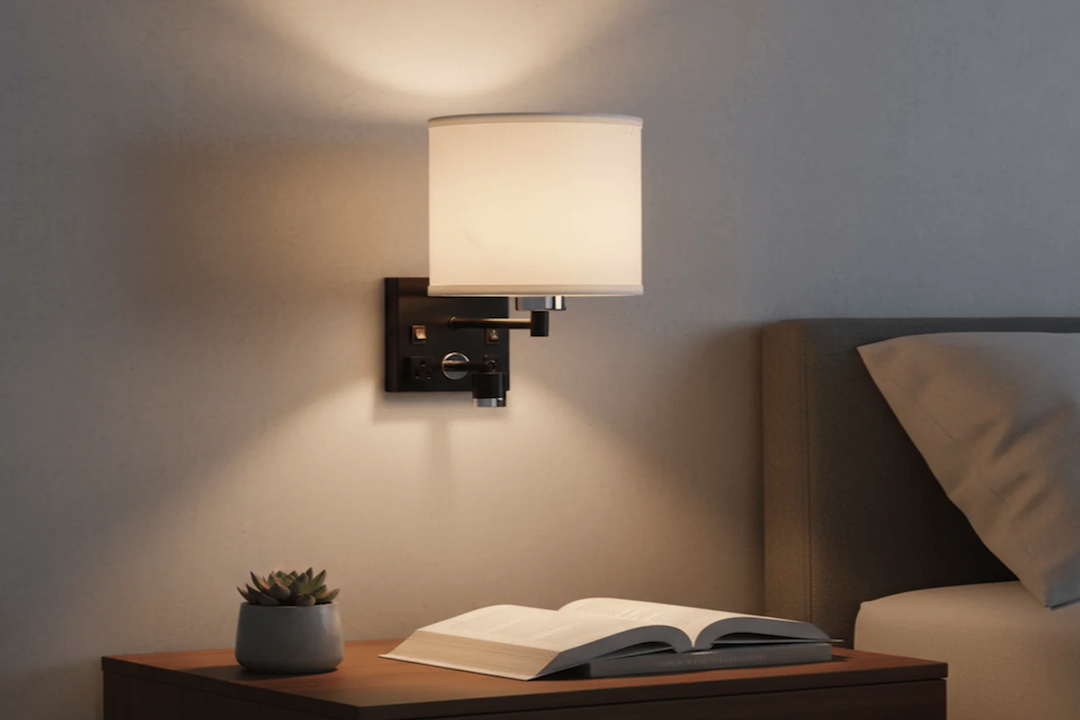
So, you’re looking to upgrade your bedtime reading experience? Adjustable wall lights are a fantastic way to do just that, offering focused illumination precisely where you need it, without disturbing your partner or cluttering your nightstand. Think of them as your personal reading assistant, always ready to shed light on your next chapter.
Why Adjustable Wall Lights are a Game-Changer
Let’s face it, trying to read in bed with a poorly placed lamp or the main room light is rarely comfortable or efficient. Adjustable Uikobo wall lights solve this by bringing the light source right to you. They often feature an articulated arm or a swivel head, allowing you to direct the beam exactly onto your book or device, minimizing glare and eye strain. Plus, they free up valuable nightstand space, which is always a bonus.
Choosing the Right Light for Your Bedside
Picking the perfect adjustable wall light isn’t rocket science, but a little consideration goes a long way. It’s not just about aesthetics; functionality and comfort play huge roles here.
Mounting Options: Fixed vs. Plug-In
This is often the first decision you’ll make.
- Hardwired (Fixed) Wall Lights: These are permanently wired into your home’s electrical system, usually controlled by a wall switch. They offer a clean, integrated look with no visible cords. If you’re building new or renovating, this is often the preferred option for a seamless finish. Installation usually requires an electrician, or a confident DIYer with electrical experience. The benefit is a very polished appearance and no dangling wires. You don’t have to worry about outlets being taken up, and the light switch being right there at the wall can be convenient. However, once they’re in, moving them isn’t a casual affair.
- Plug-In Wall Lights: These operate just like a regular lamp, plugging into a standard wall outlet. They’re much easier to install – often just a couple of screws – and can be moved if you decide to rearrange your bedroom or if you’re renting. The trade-off is that you’ll have a visible cord, which can sometimes be managed with cord covers or clever placement. If you’re not comfortable with electrical work or just want more flexibility, plug-in options are your best bet. Some even come with an in-line switch on the cord, making them incredibly practical. They are also ideal for renters who can’t make permanent changes to the property.
Arm Length and Flexibility: Reaching Your Page
The “adjustable” part of the light is key here.
- Short vs. Long Arms: Consider how far from the wall your headboard or bed is. A short arm might be fine if you’re right up against the wall, but if you have a chunkier headboard or like to sit propped up a bit, a longer, more articulating arm will give you greater reach and positioning flexibility. You want the light to comfortably reach your reading material without you having to lean forward or strain.
- Swivel and Tilt Heads: Even with a fixed arm, many lights have heads that can swivel horizontally and tilt vertically. This is crucial for directing the light precisely. A light that only points straight down might create harsh shadows or glare. Look for lights that offer a good range of motion in the head itself. Some lights feature a gooseneck design, which offers arguably the most flexibility, allowing you to bend and shape the light source exactly how you need it. This can be particularly useful if you read in varying positions.
Light Source and Brightness: Seeing Clearly
What kind of bulb does it take, and how bright can it get?
- LED Integration: Most modern adjustable wall lights come with integrated LED bulbs. This is generally a good thing. LEDs are energy-efficient, last a very long time, and don’t produce much heat. If they’re integrated, you won’t need to buy separate bulbs. However, if the LED fails, you typically need to replace the entire fixture, so look for quality brands.
- Replaceable Bulbs: If the fixture uses standard screw-in bulbs (E26/E27, GU10, etc.), you have more control over the light’s characteristics. You can choose your preferred brightness (lumens), color temperature (Kelvin), and even dimmable options.
- Brightness (Lumens): For reading, you generally want something in the range of 400-800 lumens per light. This provides ample light without being overpowering.
- Color Temperature (Kelvin): This refers to how “warm” or “cool” the light appears.
- Warm White (2700K-3000K): This is a softer, yellowish light, similar to incandescent bulbs. It’s often considered more relaxing and conducive to sleep, making it a popular choice for bedrooms. It creates a cozy atmosphere.
- Cool White (3500K-4500K): This is a brighter, whiter light. While good for task lighting, it can be a bit harsh in a bedroom setting, especially right before bed, as it can suppress melatonin production.
- Daylight (5000K-6500K): This mimics natural daylight and is generally too bright and blue for a bedside reading light. Stick to warmer tones for the bedroom.
- Dimmable Features: This is perhaps the most important feature for a bedside light. Being able to adjust the brightness from a soft glow to a brighter reading light is incredibly useful. Look for lights with integrated dimmers or those that are compatible with external dimmer switches if hardwired. Some modern lights even offer touch dimming or remote controls for ultimate convenience.
Installation & Placement Tips
Getting your new wall lights set up correctly makes all the difference.
The Right Height
This is crucial for comfortable reading and avoiding glare.
- General Guideline: A good starting point is to mount the bottom of the light fixture about 24-30 inches above the top of your mattress. However, this is just a guideline.
- Personalization is Key: Sit in your typical reading position in bed. Have someone hold the light fixture against the wall and adjust its height until the light beam comfortably hits your book without casting shadows on your hands or creating glare in your eyes. This is a highly personal measurement, so don’t be afraid to experiment before making permanent holes. You want the light to be slightly above and behind your shoulder, directed down onto the page.
Centering and Symmetry
For a polished look, consider these points.
- Over Each Side of the Bed: If you’re using two lights (one for each side), aim to center each light above its respective nightstand or roughly 6-12 inches out from the edge of the headboard. This creates a balanced look.
- Single Light Placement: If you’re only installing one light for a shared bed, consider mounting it directly in the center, or opt for a light with an extra-long, flexible arm that can span across the bed.
Cord Management (for Plug-In Lights)
No one wants a messy tangle of cords.
- Hiding Cords: If you have plug-in lights, consider using adhesive cord clips or channels to neatly route the cord down the wall to the outlet. Some people even paint the cord the same color as the wall to make it blend in.
- Integrated USB Ports: Some newer plug-in models feature built-in USB charging ports, which can be a fantastic way to combine functions and reduce clutter on your nightstand. This is a very practical feature in today’s digital world.
Wall Material Considerations
Before you start drilling, know what your wall is made of.
- Drywall: Most common. You’ll likely need drywall anchors (toggle bolts or self-drilling anchors) for a secure mount, especially if the light fixture is a bit heavy or has a long arm that will be frequently adjusted. The weight of the fixture and the leverage created by an extending arm can easily pull screws out of plain drywall.
- Wood Studs: If you hit a wood stud, you can simply use appropriate wood screws, which provides the strongest hold. A stud finder is a useful tool here.
- Plaster and Lathe: Older homes often have this. It can be more brittle than drywall, so specialized plaster anchors might be needed, or consider finding a stud behind it.
- Brick/Stone: Requires specialized masonry drill bits and anchors. This is a more involved installation.
Smart Features & Modern Conveniences
Beyond simply turning on and off, today’s adjustable wall lights offer a host of smart features that can further enhance your bedroom experience.
Touch Controls and Dimming
Many integrated LED fixtures feature discreet touch sensors on the fixture itself.
- Intuitive Operation: A simple tap can turn the light on/off, and holding your finger on it often dims or brightens the light. This eliminates the need for separate dimmer switches or fumbling for a cord switch in the dark.
- Memory Function: Some lights will remember your last brightness setting, which is a nice touch.
Remote Control Operation
For ultimate convenience, particularly if you’re already snuggled under the covers.
- Wireless Control: A small remote allows you to control power, brightness, and sometimes even color temperature (if the light offers that feature) without having to reach for the light itself or a wall switch. This is ideal for those cold winter nights when you don’t want to leave the warmth of your duvet.
- Group Control: If you have two lights, some systems allow you to control them independently or as a pair with a single remote.
USB Charging Ports
A practical addition for our gadget-heavy lives.
- Declutter Your Nightstand: Many plug-in wall lights now come with integrated USB-A or even USB-C charging ports right on the base of the fixture. This means you can charge your phone, tablet, or e-reader without needing a separate charging block plugged into an outlet, tidying up your bedside area significantly.
- Convenience: Having a charging point right where you need it prevents fumbling for cables late at night.
Smart Home Integration
Step into the future with lights that talk to your smart home system.
- Voice Control: If your lights are Wi-Fi enabled or integrated with a smart hub (like Philips Hue, Google Home, Amazon Alexa, Apple HomeKit), you can control them with voice commands. “Alexa, dim my bedside light to 50%” or “Hey Google, turn off bedtime lights.”
- Scheduling and Routines: Set up routines to have your lights gradually dim at bedtime or gently brighten in the morning to act as a soft alarm.
- App Control: Control your lights from your smartphone or tablet, even when you’re not in the room. This can be handy if you forgot to turn them off or want to set the mood before you even enter the bedroom.
Materials and Aesthetics: Matching Your Style
While functionality is key, the look of your wall light shouldn’t be an afterthought. It’s a permanent fixture in your bedroom, after all.
Finishes: From Modern to Traditional
The finish of the metalwork largely dictates the light’s style.
- Brushed Nickel/Chrome: These metallic, cool-toned finishes are popular for modern and contemporary bedrooms. They offer a sleek, clean look. They are often quite reflective, which can add a touch of sparkle.
- Matte Black: A very popular choice for industrial, minimalist, and modern aesthetics. Matte black provides a strong contrast and a sophisticated edge. It doesn’t show fingerprints as readily as some glossy finishes.
- Bronze/Brass (Antiqued or Polished): These warmer, often darker finishes lend themselves well to traditional, rustic, art deco, or mid-century modern styles. They can add a touch of vintage charm or understated luxury. Polished brass offers a brighter, more opulent look, while antiqued bronze is more subdued and earthy.
- White: A clean and discreet option, perfect for blending seamlessly into a white wall or creating a very minimalist profile.
Shade Styles: Focusing the Beam
The shape of the shade impacts the light output.
- Cylindrical/Spotlight Shades: These are common for reading lights as they direct a narrow, focused beam of light, ideal for illuminating a small area without much light spill. This is great for not disturbing a sleeping partner.
- Conical Shades: Similar to cylindrical but with a wider output at the end, providing a slightly broader light spread.
- Shadeless/Integrated LED: Many modern integrated LED lights simply consist of a sleek head without a traditional shade, allowing the internal optics to control the beam. These are often the most minimalist designs.
Overall Design: Your Personal Touch
Consider the overall shape and structure of the light.
- Minimalist & Sleek: For contemporary bedrooms, look for clean lines, simple forms, and unobtrusive designs. These lights tend to blend into the background when not in use.
- Industrial: Exposed hardware, strong metallic finishes, and utilitarian shapes define this style. Think matte black or dark bronze with visible nuts and bolts.
- Traditional/Transitional: Curved arms, classic finishes, and perhaps more decorative elements might fit here. These often have a more ornate or classical feel.
- Articulated/Gooseneck: The very nature of adjustable lights often leans towards an industrial-chic or functional aesthetic, emphasizing their mechanical movement.
Health and Comfort Benefits
It’s not just about convenience; a well-designed bedside reading light can actually benefit your health.
Reducing Eye Strain
This is where the directability of these lights truly shines.
- Focused Illumination: Instead of trying to read with ambient room light or a widely spread lamp, an adjustable wall light allows you to brightly illuminate your book or e-reader without over-lighting the entire room. This reduces the contrast between your reading material and the surrounding environment, which is a major cause of eye fatigue.
- Minimizing Glare: By positioning the light correctly, you can avoid reflections off glossy pages or screens, further protecting your eyes from strain. The ability to angle the light precisely means you’re not battling unwanted glare.
- Appropriate Brightness: With dimmable features, you can ensure the light is bright enough to read comfortably without being excessively bright, which can also tire your eyes over time.
Preserving Sleep Quality
Bedroom lighting plays a critical role in our sleep cycles.
- Targeted Light: If you share a bed, an adjustable wall light is a godsend. You can happily read your latest thriller without blasting light into your partner’s face, allowing them to sleep undisturbed. This is probably one of the most cited benefits by couples.
- Warm Color Temperatures: As mentioned earlier, opting for warm white (2700K-3000K) light is crucial. Blue light emitted by cooler light sources (and screens) can suppress melatonin production, making it harder to fall asleep. A warm, dimmable reading light allows your body to naturally prepare for sleep even while you’re still reading.
- Signal to the Body: Using a dedicated, warm, and dimmable reading light, rather than bright overhead lights or a phone screen, helps signal to your body that it’s winding down time, aiding in a smoother transition to sleep.
Improved Posture
Believe it or not, your lighting can impact your physical comfort.
- No More Leaning: With a light that reaches you, you don’t have to bend and contort yourself into awkward positions to get enough illumination. You can maintain a comfortable, relaxed posture while reading.
- Reduced Neck and Back Strain: By allowing you to sit or recline naturally, adjustable wall lights can contribute to less neck and back strain that might otherwise come from craning your neck towards a fixed light source.
Maintenance and Longevity
Wall lights, particularly those with articulating arms, are generally built to last, but a little care can ensure they continue to perform well.
Cleaning
Simple and straightforward.
- Regular Dusting: A soft, dry cloth is usually all you need to keep dust off the fixture. For more stubborn grime on metal parts, a slightly damp cloth followed by a dry one will suffice.
- Avoid Harsh Chemicals: Don’t use abrasive cleaners or harsh chemicals, especially on painted or plated finishes, as they can damage the surface.
- Shade Cleaning: If there’s a fabric or glass shade, gently wipe it down or brush off dust as needed.
Checking Connections (for Plug-In)
A quick look can prevent issues.
- Secure Plugs: Occasionally check that the plug is firmly seated in the outlet.
- Cord Condition: If you have a visible cord, ensure it’s not pinched, frayed, or damaged. If it is, replace the fixture or have it professionally repaired.
Integrated LED Considerations
While LEDs are long-lasting, they do eventually fail.
- Rated Lifespan: Integrated LEDs are often rated for tens of thousands of hours. In a reading light used for an hour or two a day, this could mean many years, potentially a decade or more.
- Replacement: If the integrated LED fails, you typically cannot replace just the bulb. You would need to replace the entire fixture. This is why investing in a quality fixture from a reputable brand can be a good idea, as they often have better quality components and sometimes offer longer warranties.
Final Thoughts
Adjustable wall lights are more than just a lighting fixture; they’re an investment in your comfort, your bedtime routine, and potentially even your sleep quality. By carefully considering the mounting type, adjustability, light source, smart features, and aesthetic appeal, you can find the perfect option to transform your bedside reading into a truly enjoyable and relaxing experience. So go ahead, find your perfect light, pick up that book, and enjoy a well-lit chapter.