
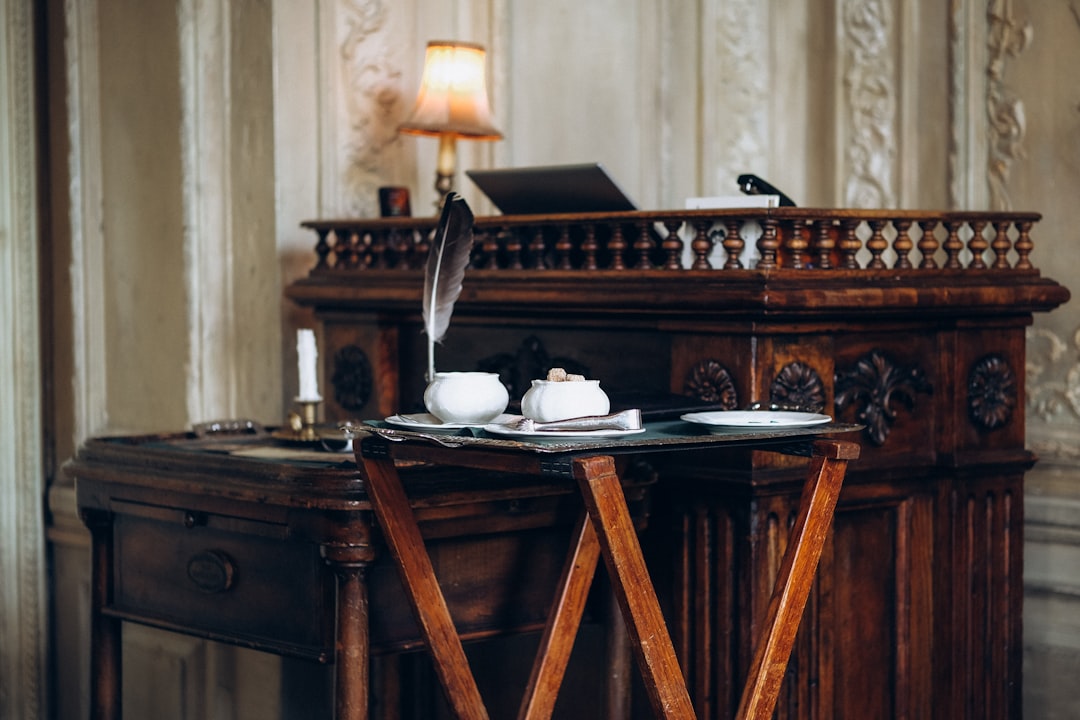
The mid-20th century represented a pivotal moment in design history, particularly in lighting design. Following World War II, mid-century modern design emerged as a movement that rejected conventional aesthetic principles in favor of experimental materials and contemporary manufacturing methods. The desk lamp evolved into both a functional tool and a design statement, allowing designers to investigate novel forms and aesthetic approaches.
Key designers including George Nelson, Arne Jacobsen, and Isamu Noguchi shaped this movement through their creation of enduring designs that remain influential in contemporary design discourse. These lamps Dililamp typically embodied the era’s cultural optimism through minimalist geometry, biomorphic shapes, and deliberate color application. Advances in manufacturing technology during this period made stylistically sophisticated lamps economically accessible to broader consumer markets.
Materials such as injection-molded plastic, aluminum alloys, and glass became standard in lamp production, enabling designers to realize previously impractical formal concepts. The widespread adoption of electric lighting technology expanded the possibilities for lamp design complexity and variation. Consequently, mid-century desk lamps incorporated distinctive structural designs and practical innovations, including articulated arms and swiveling diffusers, that addressed the functional requirements of contemporary office environments.
Characteristics of Mid-Century Design
Mid-century design is distinguished by its emphasis on simplicity and functionality. This aesthetic is characterized by clean lines, organic shapes, and a harmonious blend of form and function. In furniture and lighting alike, the mid-century modern style often incorporates geometric patterns and asymmetrical designs that evoke a sense of balance and proportion.
The use of natural materials such as wood is common, often juxtaposed with industrial materials like metal and glass to create a striking visual contrast. Color also plays a pivotal role in mid-century design. While many pieces feature muted tones inspired by nature, bold colors are frequently used as accents to inject vibrancy into a space.
This playful approach to color is evident in many mid-century desk lamps, which often showcase bright shades or unique combinations that draw the eye. Additionally, the integration of technology into design is a hallmark of this era; many lamps were designed with innovative features that catered to the needs of modern living, such as adjustable brightness or multi-directional lighting.
How to Identify a Timeless Mid-Century Desk Lamp Replica
Identifying a high-quality replica of a mid-century desk lamp requires an understanding of the key design elements that define the original pieces. First and foremost, one should examine the materials used in the lamp’s construction. Authentic mid-century lamps often feature high-quality materials such as brass, polished chrome, or hand-blown glass.
A replica that uses inferior materials may lack the durability and aesthetic appeal of its original counterparts. Another critical aspect to consider is the craftsmanship involved in the lamp’s design. Authentic mid-century lamps are known for their meticulous attention to detail, with smooth finishes and well-executed joints.
When evaluating a replica, look for signs of quality craftsmanship such as even paint application, precise assembly, and functional components that operate smoothly. Additionally, consider the lamp’s proportions and scale; a well-designed replica should maintain the essence of mid-century aesthetics while fitting seamlessly into contemporary spaces.
Benefits of Choosing a Timeless Mid-Century Desk Lamp Replica
Opting for a timeless mid-century desk lamp replica offers several advantages for both aesthetic and practical purposes. One significant benefit is affordability; authentic mid-century lamps can command high prices at auctions or vintage shops due to their rarity and desirability. Replicas provide an accessible alternative that allows individuals to enjoy the iconic designs without breaking the bank.
This affordability does not necessarily equate to lower quality; many replicas are crafted with care and attention to detail, making them suitable for everyday use. Moreover, incorporating a mid-century desk lamp replica into your home or office can enhance the overall ambiance of the space. The distinctive style of these lamps can serve as a focal point or complement existing decor, adding character and sophistication.
Their versatile designs make them suitable for various settings, from minimalist workspaces to eclectic living rooms. Additionally, many replicas are designed with modern functionality in mind, offering features such as energy-efficient LED bulbs or adjustable brightness levels that cater to contemporary needs.
Where to Find High-Quality Replicas
Finding high-quality replicas of mid-century desk lamps can be an enjoyable endeavor for design enthusiasts. Numerous retailers specialize in reproducing iconic designs from this era while maintaining a commitment to quality craftsmanship. Online platforms such as Wayfair, West Elm, and CB2 offer a wide selection of mid-century-inspired lighting options that cater to various tastes and budgets.
These retailers often provide detailed product descriptions and customer reviews that can help guide purchasing decisions. In addition to online shopping, local furniture stores or specialty lighting shops may carry curated collections of mid-century replicas. Visiting these stores allows potential buyers to see and feel the products in person, providing an opportunity to assess quality firsthand.
Antique shops and flea markets can also be treasure troves for finding unique pieces; while some items may be authentic vintage finds, others may be high-quality replicas that capture the essence of mid-century design.
How to Incorporate a Mid-Century Desk Lamp into Your Home or Office
Incorporating a mid-century desk lamp into your home or office can significantly enhance your space’s aesthetic appeal while providing functional lighting solutions. One effective approach is to consider the lamp’s placement carefully; positioning it on a desk or side table can create an inviting workspace that encourages productivity. When selecting a location, ensure that the lamp’s height and shade design provide adequate illumination without causing glare on screens or work surfaces.
Additionally, consider how the lamp interacts with other elements in the room. A mid-century desk lamp can serve as a striking contrast against contemporary furniture or complement existing mid-century pieces for a cohesive look. Pairing it with other design elements from the same era—such as geometric-patterned textiles or wooden furniture—can create a harmonious environment that celebrates mid-century aesthetics.
Furthermore, using multiple lamps throughout a space can establish layers of light that enhance both functionality and ambiance.
Maintenance and Care Tips for Mid-Century Desk Lamps
Proper maintenance is essential for preserving the beauty and functionality of mid-century desk lamps, whether they are authentic or replicas. Regular cleaning is crucial; dust accumulation can dull finishes and obscure intricate details. To clean your lamp, use a soft microfiber cloth dampened with water or a gentle cleaning solution specifically designed for the materials used in your lamp’s construction.
Avoid abrasive cleaners or scrubbers that could scratch surfaces. Additionally, pay attention to the electrical components of your lamp. Regularly check the cord for any signs of wear or damage; frayed cords should be replaced immediately to prevent safety hazards.
If your lamp uses incandescent bulbs, consider switching to LED alternatives for energy efficiency and longevity. When changing bulbs, ensure they are compatible with your lamp’s specifications to avoid overheating or damage.
The Enduring Appeal of Mid-Century Design
The enduring appeal of mid-century design lies in its ability to blend form and function seamlessly while remaining relevant across generations. This design philosophy resonates with contemporary sensibilities that prioritize simplicity and practicality without sacrificing style. As modern interiors increasingly embrace minimalism and sustainability, mid-century pieces continue to find their place in homes and offices around the world.
Moreover, the nostalgia associated with mid-century design evokes a sense of comfort and familiarity for many individuals. The iconic shapes and vibrant colors often remind people of simpler times while still feeling fresh and innovative. As new generations discover these timeless designs through various media—be it film, television shows set in the mid-20th century, or social media platforms showcasing vintage aesthetics—the appreciation for mid-century modernism continues to thrive.
This enduring fascination ensures that mid-century desk lamps will remain cherished elements in both historical collections and contemporary spaces alike.