
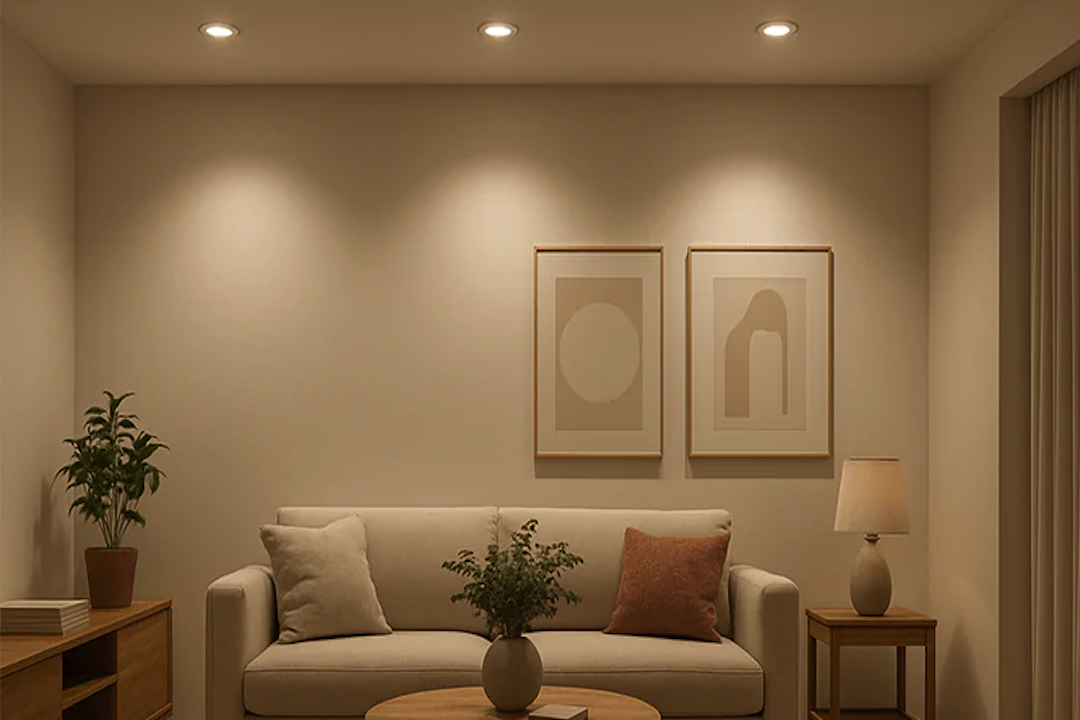
If you’re looking to truly control the lighting in your home or commercial space, adjustable beam angle downlights are a game-changer. Unlike traditional downlights that stick to one fixed beam, these versatile fixtures allow you to change how wide or narrow the light spread is. This means you can go from a focused spotlight to a broader wash of light with a simple adjustment, adapting your lighting to different moods, tasks, or even furniture arrangements.
Fixed beam downlights Hotedecor are fine for general illumination, but they lack the flexibility to adapt to evolving needs. Imagine having a bright, focused beam on your artwork one day, and then a softer, wider wash for a social gathering the next. With fixed lighting, you’d likely need different fixtures or clever, often complicated, layering techniques. Adjustable beam downlights simplify this dramatically.
Tailoring Your Lighting to Your Needs
Think about how often your space changes. Maybe you redecorate, rearrange furniture, or use a room for different activities throughout the day. A bedroom, for example, might need bright, even light for cleaning, a focused light for reading in bed, and a soft, ambient glow for winding down. Without adjustable beam angles, you’re constantly compromising.
Adapting to Architectural Features
Every room has its quirks – a stunning architectural detail, a textured wall, or a unique piece of furniture you want to highlight. A too-wide beam can spill onto areas you don’t want illuminated, while a too-narrow one might miss the mark entirely. Adjustable beam angles give you the precision to perfectly complement these features.
How Adjustable Beam Angle Downlights Work
The magic behind adjustable beam angle downlights often lies in clever optical design. While the specifics can vary between manufacturers, the core principle generally involves manipulating how light exits the fixture.
Mechanical Adjustment
Many adjustable downlights feature a movable lens or reflector system. You might twist a ring on the fixture, slide a lever, or even physically push/pull an element to change the beam. This is a manual adjustment and typically done at the fixture itself.
- Twist-and-Lock: A common mechanism where rotating a part of the downlight housing alters the lens position.
- Slide Mechanisms: Internal components can be slid into different positions to change the optical path.
Optical Lenses and Reflectors
High-quality adjustable downlights use specialized lenses or reflector designs that, when manipulated, alter the light’s trajectory. These aren’t just simple pieces of glass; they’re engineered to efficiently shape the light.
- Fresnel Lenses: Sometimes used to create a more controlled, focused beam, similar to lighthouse optics.
- Multi-Faceted Reflectors: These can be designed to re-direct light at varying angles as they are adjusted.
Smart Control (for some models)
Some more advanced and often higher-end adjustable downlights incorporate smart technology. This allows you to change the beam angle wirelessly, often via an app on your phone or a smart home system. This is particularly useful for fixtures installed in high ceilings or hard-to-reach places.
- Integrated Motors: Small motors within the fixture physically adjust the optics based on remote commands.
- Preset Scenes: You can program different beam angles for various scenarios and recall them with a single tap.
Practical Applications for Adjustable Beam Downlights
The versatility of these downlights makes them suitable for almost any space. Here are a few common scenarios where they truly shine.
Living Rooms: Dynamic Ambiance
Your living room is often a multi-functional space – a place for relaxation, entertaining, watching movies, or reading. Adjustable downlights allow you to adapt the lighting to each activity.
- Task Lighting for Reading: Narrow the beam to focus light directly onto your reading chair, minimizing glare and improving visibility.
- Ambient Wash for Entertaining: Widen the beam to create a softer, more even light spread throughout the room, fostering a welcoming atmosphere.
- Accent for Artwork/Decor: Focus a tight beam on a piece of art, a fireplace, or a sculptural plant to draw attention and create visual interest.
- Movie Night Mode: Lower the overall brightness and widen the beams for a gentler, less distracting glow.
Kitchens: Functional and Inviting
A kitchen needs bright, practical lighting for meal prep, but also inviting light for dining or socializing.
- Worktop Illumination: Use a narrower beam over kitchen counters to provide focused, shadow-free lighting for chopping, cooking, and other tasks.
- Island Accent: Highlight a kitchen island or breakfast bar with a more focused beam.
- Dining Area Ambiance: If your kitchen includes a dining area, broaden the beam or dim the lights for a more relaxed dining experience.
- Showcasing Features: Pinpoint lighting on unique cabinetry pull handles, backsplashes, or design elements.
Bedrooms: Comfort and Versatility
Bedrooms are sanctuaries. The lighting should support rest, relaxation, and various personal activities.
- Bedside Reading: A focused beam directly over your pillow eliminates the need for bulky bedside lamps, keeping nightstands clear.
- Overall Ambient Light: A wider beam provides general illumination when getting dressed or cleaning.
- Wardrobe Lighting: Direct a tighter beam into wardrobes or dressing areas for better visibility when selecting outfits.
Hallways and Corridors: Guiding and Highlighting
These transitional spaces often get overlooked, but good lighting can enhance their functionality and aesthetics.
- Path Illumination: Use a wider beam to evenly light the pathway, ensuring safe passage.
- Accent Art: If you have artwork or photographs in your hallway, use a narrow beam to highlight them.
- Architectural Features: Draw attention to an archway, a decorative console table, or a unique wall texture.
Commercial Spaces: Adaptability and Appeal
From retail stores to offices and restaurants, adjustable downlights offer significant advantages in commercial settings.
- Retail Displays: Constantly changing merchandise means fixed lighting is a nightmare. Adjustable beams allow you to precisely light new displays, mannequins, or promotional areas, drawing customer attention.
- Art Galleries/Museums: Crucial for curating exhibitions. Adjusting focus and intensity helps protect delicate pieces while ensuring optimal viewing.
- Restaurants/Cafes: Create different atmospheres for lunch or dinner service, or highlight specific architectural features or table settings.
- Offices/Conference Rooms: Adapt lighting for presentations (focused on a screen) versus collaborative work (broader, softer light).
Key Considerations When Choosing Adjustable Beam Downlights
Before making a purchase, there are several factors to weigh to ensure you get the right downlights for your specific needs.
Beam Angle Range
Not all adjustable downlights offer the same range of adjustment. Some might go from 15 to 45 degrees, while others might offer a wider spread, say 10 to 60 degrees. Consider the typical activities in your space and how much flexibility you really need.
- Narrow Beam Angles (under 25 degrees): Ideal for accent lighting, highlighting specific objects, or creating dramatic effects. Often called “spotlight” beams.
- Medium Beam Angles (25-45 degrees): Good for general task lighting, smaller areas, or slightly wider accenting.
- Wide Beam Angles (45+ degrees): Best for general ambient illumination, washing walls, or illuminating larger areas evenly.
Dimming Capabilities
Just as important as adjusting the beam angle is the ability to dim the light. This allows for even finer control over ambiance and energy consumption. Ensure the downlights are compatible with your chosen dimmer switch (e.g., TRIAC, 0-10V, DALI).
- Smooth Dimming Curve: High-quality dimming means a consistent change in brightness without flickering or stepping.
- Dim-to-Warm: Some advanced LEDs emulate the warm glow of incandescent bulbs as they dim, creating a very cozy atmosphere.
Color Temperature (CCT)
While not directly related to beam angle, the color temperature of your lights plays a huge role in the feel of a space. Adjustable downlights come in various CCTs, from warm white to cool white.
- Warm White (2700K-3000K): Cozy, inviting, great for living rooms and bedrooms.
- Neutral White (3500K-4000K): Good for kitchens, bathrooms, offices – more task-oriented but still comfortable.
- Cool White (4000K-5000K): Brighter, more stimulating, often used in commercial or very task-oriented areas where alertness is key.
Color Rendering Index (CRI)
CRI measures how accurately a light source renders colors compared to natural daylight. For spaces where color accuracy is important (art display, retail, kitchens), aim for a high CRI (90+).
- CRI 80+: Generally acceptable for most applications.
- CRI 90+: Excellent for bringing out true colors, especially in art, food, and textiles.
Installation Type
Downlights come in various installation types, primarily recessed or surface-mounted. Consider what works best for your ceiling structure and aesthetic preferences.
- Recessed: Sits flush with the ceiling, offering a clean, minimalist look. Requires a void in the ceiling for installation.
- Surface Mounted: Sits on the ceiling surface. Easier to install if a recessed option isn’t feasible, but visually more prominent.
Build Quality and Durability
Like any lighting fixture, the build quality affects its longevity and performance. Look for durable materials, good heat dissipation, and reputable brands.
- Die-Cast Aluminum: Excellent for heat management, leading to a longer LED lifespan.
- IP Rating: Important for bathrooms or outdoor sheltered areas (e.g., IP44 for splash protection).
Smart Home Integration
If you’re already invested in a smart home system or plan to be, look for downlights that integrate seamlessly. This allows for scheduled lighting, voice control, and advanced scene creation.
- Zigbee/Z-Wave/Wi-Fi: Common protocols for smart home devices.
- App Control: User-friendly interfaces for managing your lighting.
Installation Tips for Adjustable Beam Downlights
While installation instructions will vary by model, here are some general tips to keep in mind.
Planning is Key
Before you even cut a hole, plan your layout carefully. Think about what you want to illuminate and from what angle. Use a temporary laser pointer or even a flashlight to visualize the light spread from different positions.
- Symmetry and Spacing: Consider equidistant spacing for general illumination, but be strategic for accent lighting.
- Avoid Shadows: Place fixtures to minimize unwanted shadows on work surfaces or focal points.
Professional Installation
If you’re not comfortable with electrical work, always hire a qualified electrician. They can ensure safe wiring, proper connections, and adherence to local electrical codes.
- Wiring Compatibility: Ensure your existing wiring or new wiring can handle the load and specific requirements of the downlights.
- Dimmer Compatibility: Crucial for optimal performance and avoiding flickering or buzzing.
Test Before Finalizing
After cutting the holes and before securing the fixtures completely, temporarily connect them and test their functionality. Check the dimming, beam adjustment, and overall illumination.
- Power Down: Always turn off the main power supply before connecting any electrical components.
- Observe Beam: Pay attention to how the light falls on surfaces and objects.
Maintaining Your Adjustable Beam Downlights
Thankfully, LED downlights require very little maintenance. However, a few simple steps can ensure they continue to perform optimally.
Regular Cleaning
Dust and debris can accumulate on lenses and reflectors, slightly reducing light output and potentially affecting beam quality. A gentle wipe with a soft, dry cloth is usually sufficient.
- Avoid Harsh Chemicals: These can damage finishes or optical coatings.
- Power Off: Always clean fixtures when they are de-energized.
Checking for Loose Connections
Periodically, especially if you notice flickering, check the connections. If you’re not comfortable doing this yourself, call an electrician.
- Safety First: Disconnect power completely before fiddling with internal wiring.
Software Updates (for Smart Models)
If you have smart adjustable downlights, keep their software or app updated. This ensures you have the latest features, bug fixes, and security enhancements.
- Check Manufacturer’s Website: Stay informed about available updates.
Conclusion
Adjustable beam angle downlights provide a powerful tool for truly personalized and dynamic lighting. By understanding how they work, where they can be applied, and what factors to consider during selection, you can transform your spaces, making them more functional, inviting, and visually stunning. It’s no longer about just turning lights on and off; it’s about crafting light to perfectly suit your environment and your life.