
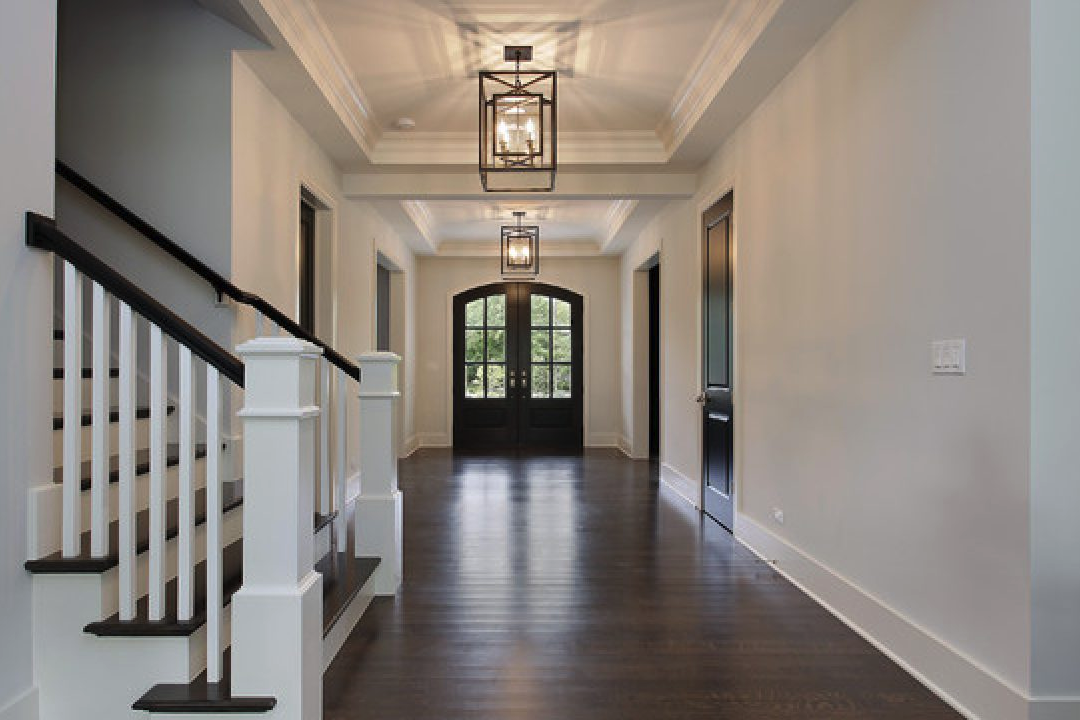
Modern chandelier lighting can significantly enhance your hallway, transforming it from a mere pass-through to a well-lit and stylish space. The right fixture provides both essential illumination and a distinct design element, making the area feel more inviting and cohesive with the rest of your home. It’s about choosing pieces that blend functionality with aesthetic appeal, creating a noticeable improvement without being ostentatious. Think about how the light casts shadows, highlights features, and contributes to the overall ambiance.
Hallways often get overlooked when it comes to lighting Hotedecor design, but they are high-traffic areas and the first impression visitors get of your home. Modern chandeliers offer a diverse range of styles that can complement contemporary interiors and provide more than just basic illumination.
Beyond Basic Lighting
Unlike a simple flush mount, a modern chandelier makes a statement. It draws the eye upwards, adding visual interest and making the hallway feel taller and more expansive. It acts as a focal point, grounding the space and enhancing its perceived value. This isn’t just about brightness; it’s about adding a layer of architectural detail.
Defining Your Home’s Style
The type of chandelier you choose can reinforce or even introduce a specific design theme. Whether your home leans minimalist, industrial, or mid-century modern, there’s a chandelier style to match. It’s an opportunity to extend your interior design language beyond the main living areas and into an often-neglected zone. This subtle consistency creates a more polished and thoughtful environment.
Matching the Chandelier to Your Hallway
Selecting the right modern chandelier involves considering the physical attributes of your hallway, including its size, ceiling height, and existing decor.
Hallway Dimensions Matter
A grand, multi-tiered chandelier might look out of place in a narrow, low-ceilinged hall, while a small, understated fixture could feel lost in a spacious entryway. Measure your hallway’s length, width, and ceiling height before shopping.
Ceiling Height Considerations
For ceilings 8 feet or lower, semi-flush mount chandeliers are often a good choice, offering a chandelier aesthetic without hanging down excessively. If your ceilings are 9 feet or taller, you have more flexibility for suspended fixtures. A general rule of thumb is that the bottom of the chandelier should be at least 7 feet from the floor in high-traffic areas to avoid head bumps. In open areas where people aren’t walking directly underneath, you can go lower, but consider the visual impact.
Width and Length Assessment
The width of your hallway influences the diameter of the chandelier. A fixture that is too wide can make the hallway feel cramped. Conversely, one that is too small might appear insignificant. For a general guide, the width of the chandelier should rarely exceed two-thirds the width of your hallway. For long hallways, consider multiple smaller chandeliers spaced evenly or a single elongated fixture to provide balanced illumination along the entire length.
Harmonizing with Decor
The chandelier should integrate seamlessly with your existing interior design elements. This means paying attention to materials, finishes, and overall aesthetic.
Material and Finish Coordination
If your home features brushed nickel hardware and cool-toned furniture, a chandelier with chrome or brushed steel elements might be appropriate. If warm wood tones and bronze accents dominate, then a brass or oil-rubbed bronze fixture could be a good fit. Glass, acrylic, or frosted elements can also play a role in how light is diffused and how the fixture interacts with the surrounding space.
Style Cohesion
A minimalist hallway with clean lines might benefit from a geometric chandelier with understated forms. An industrial-style space could feature a chandelier with exposed bulbs and metal cages. A mid-century modern theme might call for a Sputnik-style fixture. Avoid mixing overtly clashing styles, as this can create a disjointed feel. The goal is to enhance, not detract from, your current design.
Different Styles of Modern Chandelier Lighting
Modern design encompasses a wide array of styles, each offering a distinct aesthetic and lighting effect. Recognizing these differences will help you narrow down your choices.
Minimalist Modern Chandeliers
These fixtures emphasize simplicity, clean lines, and often a monochromatic palette. They are characterized by a lack of ornamentation and focus on functional design.
Geometric Shapes and Forms
Many minimalist chandeliers feature precise geometric shapes—circles, squares, lines, or abstract arrangements of these forms. They often use integrated LED lighting for a streamlined appearance, eliminating visible bulbs. The design itself becomes the art piece, providing light without unnecessary visual clutter.
Understated Materials
Materials like matte black metal, brushed brass, or frosted glass are common. The aim is to create a refined and sophisticated look that doesn’t overwhelm the space. The light output itself is often a key design element, with fixtures designed to produce specific lighting patterns or diffused glows.
Industrial Modern Chandeliers
Drawing inspiration from factories and utilitarian spaces, industrial chandeliers often feature raw, unfinished materials and exposed components.
Exposed Bulbs and Metalwork
These chandeliers frequently showcase Edison-style bulbs, often with visible filaments, and robust metal frames in black, dark bronze, or even galvanized steel. Cages, pipes, and pulley systems are common design motifs, giving them a rugged yet refined appeal.
Concrete and Reclaimed Elements
Some industrial modern fixtures incorporate concrete, wood, or reclaimed materials, adding texture and a sense of history. These elements contribute to an authentic, weathered look that can contrast effectively with contemporary wall finishes. They provide a sturdy, grounded feel to the space.
Mid-Century Modern Chandeliers
Characterized by organic forms, Sputnik designs, and a blend of materials, mid-century modern chandeliers offer a retro yet timeless appeal.
Sputnik and Atomic Designs
Iconic Sputnik chandeliers, with their radiating arms and numerous bulbs, are a staple of this style. Atomic-inspired designs, featuring spheres and abstract shapes, also fit well. These fixtures often become a central design element, reflecting the optimistic future-forward ethos of the mid-century era.
Mixed Materials & Organic Shapes
You’ll often find a combination of brass, wood, glass, and sometimes ceramic in mid-century modern pieces. Curved lines, tapered forms, and asymmetrical arrangements are common, mimicking natural shapes and creating a sense of dynamic movement.
Practical Considerations for Installation and Maintenance
Beyond aesthetics, there are practical aspects to consider when integrating a modern chandelier into your hallway.
Ensuring Proper Electrical Support
A chandelier can be heavier than a standard flush mount fixture. It’s crucial to ensure your electrical box can support the weight.
Weight Capacity Check
Most standard junction boxes are designed for lighter fixtures. If your chosen chandelier is substantial, you might need to upgrade to a fan-rated electrical box or reinforce the ceiling joists. Consulting a qualified electrician is always recommended for safety and proper installation. They can assess the existing setup and make necessary modifications.
Dimmer Switch Integration
Consider installing a dimmer switch. This allows you to adjust the light intensity, creating different moods and saving energy. It enhances the versatility of your lighting, allowing for bright functional light when needed and softer ambient light for a more relaxed setting.
Bulb Types and Light Quality
The type of bulbs you use affects both the look and the functionality of your chandelier.
LED Advantages
LED bulbs are energy-efficient, long-lasting, and available in a range of color temperatures. They produce minimal heat, which is a consideration in enclosed spaces. Many modern chandeliers feature integrated LED modules, eliminating the need to select individual bulbs. If you’re choosing separate bulbs, pay attention to the bulb base (E26, E12, etc.) to ensure compatibility.
Color Temperature Selection
Light color temperature is measured in Kelvin (K). Warmer light (around 2700K-3000K) creates a cozy, inviting atmosphere, often resembling incandescent light. Cooler light (3500K-5000K) is brighter and more stimulating, suitable for task-oriented areas, though perhaps less ideal for a hallway where warmth is preferred. A color temperature around 3000K-3500K is often a good balance for general residential use, providing clear light without being harsh.
Maintenance and Cleaning
Regular cleaning will keep your modern chandelier looking its best and ensure optimal light output.
Dusting and Wiping
For most modern chandeliers with smooth surfaces (metal, glass), a soft, dry microfiber cloth can handle regular dusting. For accumulated grime or fingerprints, a lightly damp cloth with a mild, non-abrasive cleaner can be used, ensuring to dry surfaces thoroughly afterward. Always turn off the power at the breaker before cleaning any light fixture.
Specialized Cleaning for Unique Materials
Fixtures with intricate designs, crystal elements, or unique materials might require specialized cleaning products or methods. Always refer to the manufacturer’s instructions for best practices. For example, some crystal chandeliers benefit from a spray-on cleaner that drips dry, while others require individual hand cleaning. For fabric elements, a lint roller or vacuum with a brush attachment can be effective.
Enhancing the Overall Hallway Experience
A well-chosen modern chandelier does more than just illuminate; it contributes to the overall feel and functionality of your hallway.
Creating Ambiance
The right lighting can transform the mood of your hallway. A soft, warm glow can make the space feel more welcoming, while brighter, cooler light can create a more energizing atmosphere.
Strategic Illumination
Consider how the light from the chandelier interacts with the walls and any artwork or decor in your hallway. Does it highlight specific features? Does it cast interesting shadows? The play of light and shadow is part of the overall design. Using a directional element in the chandelier can emphasize an architectural detail or a piece of art.
Layering Light
While a chandelier provides general illumination, consider layering it with other light sources for more flexibility. Sconces can add accent lighting, and recessed lights can provide additional task lighting or fill in dark corners. This layered approach creates depth and allows for different lighting scenarios depending on the time of day or occasion.
Improving Functionality
Beyond aesthetics, a modern chandelier should provide sufficient and appropriate light for the practical needs of a hallway.
Safety and Visibility
Adequate lighting is essential for safety, especially in areas where people are frequently walking. A well-lit hallway prevents trips and falls and makes it easier to navigate, particularly for older individuals or those with impaired vision. The light should be bright enough to clearly see the floor and any obstacles.
Task-Oriented Lighting
While hallways don’t typically require task lighting, a chandelier can contribute to general visibility for tasks like putting on shoes, checking mail, or locating keys near an entry console. The goal is to avoid dark spots and ensure uniform light distribution throughout the space. If there’s a small table or bench, ensure sufficient illumination above it for any brief activities.