
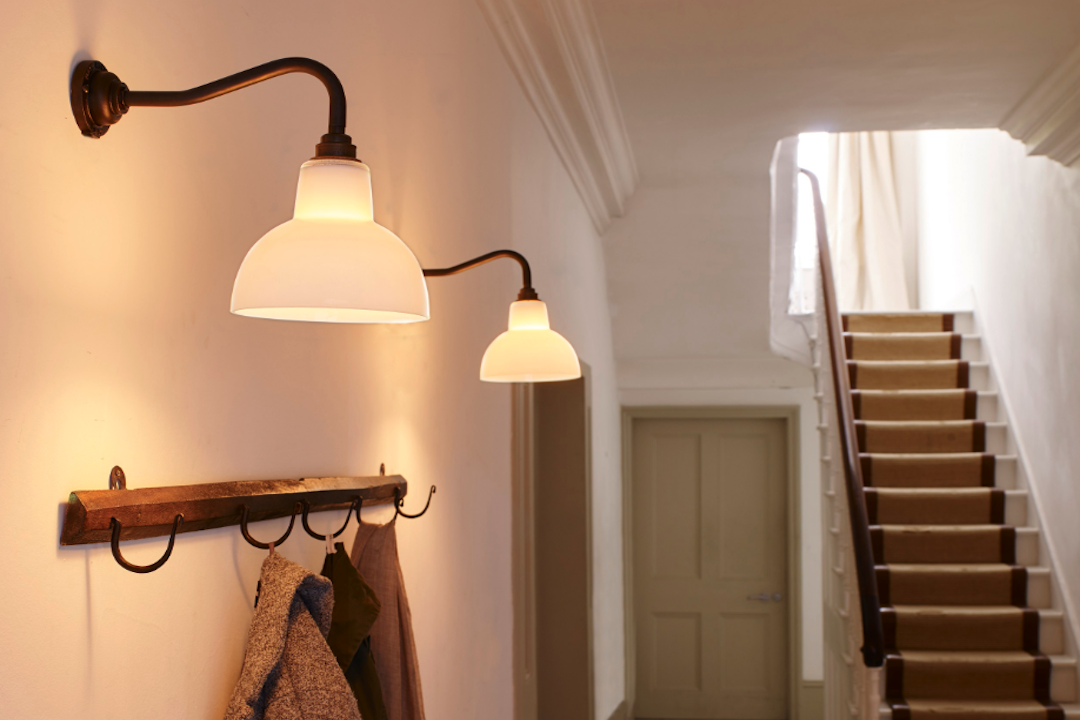
So, you’re thinking about a wall lamp for your hallway, specifically one that brings a “cozy” feel? That’s a smart move.
A wall lamp can be a game-changer for a hallway, turning a potentially dark and unwelcoming passage into a warm, inviting space. The key is choosing the right fixture and bulb to create that cozy ambiance you’re after. It’s less about bright, task-oriented light and more about subtle warmth and visual comfort. Think of it as a gentle welcome home rather than a spotlight.
Why Wall Lamps are a Great Choice for Hallways
Hallways often get overlooked when it comes to lighting Hotedecor. They’re seen as functional spaces to get from one room to another, not as places to linger or create atmosphere. But a well-lit hallway can make a big difference to the overall feel of your home and how guests experience it from the moment they step through the door.
The Functional Imperative: Navigating Safely
Before we get to the cozy aspect, let’s not forget that hallways need to be functional. Adequate lighting is crucial for safety, especially in narrow or long passages. You need to be able to see where you’re going, especially at night or if you’re carrying things.
Preventing Trips and Falls
A dim hallway can hide subtle changes in floor level or small objects, increasing the risk of a trip or fall. Even a low-level light from a wall fixture can make a substantial difference.
Guiding Guests
For visitors, especially those unfamiliar with your home, clear and comfortable lighting in the hallway is a fundamental courtesy. It helps them orient themselves and feel more at ease.
Beyond Functionality: Creating Atmosphere
This is where the “cozy” element really comes into play. The right wall lamp can transform your hallway from a mere thoroughfare into an extension of your home’s living spaces.
The First Impression
Your hallway is often the first area visitors see after the entrance. A warm, inviting hallway can set a positive tone for their entire experience within your home.
Enhancing the Home’s Interior Design
Wall lamps, chosen thoughtfully, can complement your existing decor. They can add architectural interest, texture, and color, contributing to the overall aesthetic.
Choosing the Right Kind of Wall Lamp for a Cozy Feel
When we talk about “cozy,” we’re generally thinking about warmth, softness, and a sense of comfort. This translates to your wall lamp choice in a few key ways.
Material Matters: Playing with Texture and Diffusion
The materials of a wall lamp significantly impact the quality of light it emits and the overall feel of the fixture itself.
Translucent Shades: Softening the Glow
Lamps with shades made from materials like frosted glass, fabric, or natural fibers (like rattan or bamboo) tend to diffuse light. This means the light isn’t harsh or direct; instead, it’s spread out softly, creating a gentle radiance. Think of how a lampshade in a living room creates a softer pool of light than a bare bulb.
Natural Materials: Adding Organic Warmth
Fixtures made from wood, metal with a brushed or patinated finish, or even ceramic can bring an organic, tactile warmth. These materials often have subtle variations in color and texture that add depth and character, contributing to a cozy vibe. Avoid overly polished or high-gloss finishes if coziness is your primary goal, as they can reflect light too harshly.
Matte Finishes: Absorbing Light Gently
Matte finishes on metals or painted surfaces tend to absorb light rather than reflect it intensely. This can create a more subdued and calming effect, which is ideal for a cozy atmosphere.
Style of the Fixture: Subtle Elegance Over Ostentation
The design of the lamp itself plays a role in setting the mood. For a cozy hallway, understated and elegant often works best.
Minimalist Designs: Focusing on Light Quality
Sometimes, the simplest designs are the most effective. A minimalist wall sconce with a clean silhouette can draw attention to the warm light it casts, rather than the fixture itself being a dominant decorative element.
Traditional and Transitional Styles: Classic Comfort
Fixtures with classic lines, perhaps incorporating elements like aged brass, oil-rubbed bronze, or even touches of darker wood, can evoke a sense of timeless comfort and familiarity. These styles often feel inherently welcoming.
Scandinavian-Inspired: Light Wood and Clean Lines
If your home has a Scandinavian influence, look for wall lamps that incorporate light woods, simple metalwork, and soft, diffused lighting. This aesthetic naturally leans towards calm and cozy.
The Crucial Role of Light Color Temperature and Brightness
Once you’ve picked out a lamp, the next most critical factor is the light bulb. This is where you can truly dial in that cozy feeling.
Color Temperature: The ‘Warmth’ of the Light
This is arguably the most important specification for achieving a cozy feel. Color temperature is measured in Kelvin (K).
Warm White (2700K – 3000K): The Standard for Cozy
For a cozy and inviting atmosphere, you want a warm white light. Bulbs in the 2700K to 3000K range mimic the warm, inviting glow of traditional incandescent bulbs. This creates a soft, yellowish light that feels relaxing and comfortable. Avoid cooler temperatures (above 3500K), as they can make a space feel sterile or too much like an office.
Dimmer Compatibility: The Ultimate Control
Even with the right color temperature, being able to adjust the brightness is essential. A dimmer switch allows you to tailor the light to the time of day or your mood. You can have it slightly brighter for navigating and then dim it down for a more intimate, cozy evening feel.
Brightness (Lumens): Less is Often More
Lumens measure the total amount of light output from a bulb. For a hallway, you don’t need extremely high lumen counts, especially if you have multiple fixtures.
Avoiding Over-Illumination
Too much light can feel harsh and industrial, negating the cozy effect. Consider the size of your hallway and the number of lamps you plan to install when choosing lumen output. You might only need 300-500 lumens per fixture in a smaller hallway to provide sufficient, gentle light.
Layering Light for Depth
Instead of one very bright lamp, consider using two or more wall lamps spaced out along the hallway. This creates a more layered and dynamic lighting scheme, which is often perceived as more cozy and sophisticated.
Placement Strategies: Where to Hang Your Cozy Wall Lamp
The location of your wall lamp is just as important as the lamp itself. Strategic placement can maximize its impact and ensure it serves both functional and aesthetic purposes.
Considering Hallway Dimensions and Shape
The layout of your hallway will dictate the best placement options.
Long, Narrow Hallways: Creating Zones
In a long hallway, placing wall lamps at regular intervals can break up the space and make it feel less like a tunnel. Aim for placement that is roughly one-quarter to one-third of the way down the wall from the ends of the hallway. This creates visual anchors.
Wide or L-Shaped Hallways: Illuminating Key Areas
For wider hallways or those with turns, placement should focus on leading the eye and illuminating transition points. You might place a lamp near a piece of art or a console table.
Practical Considerations for Placement
Beyond aesthetics, there are practical aspects to think about.
Height and Reach: Safe and Accessible
Wall lamps should be mounted at a height that is convenient and safe. Generally, the bottom of the lamp or shade should be at least 66-72 inches (168-183 cm) from the floor. This ensures you won’t hit your head on it and allows easy access to any switches or controls.
Proximity to Doors and Corners: Avoiding Glare
Be mindful of where the light will fall. Avoid placing lamps directly in line with doorways where the light might shine directly into someone’s eyes as they enter or exit. Also, consider corners where shadows can become overly deep.
Electrical Box Location: The Practical Constraint
Ultimately, the existing electrical boxes or the feasibility of installing new ones will heavily influence where you can place your lamps. Consulting with an electrician is often a good idea if you’re planning significant changes.
Combining Wall Lamps with Other Lighting Sources
A single wall lamp, while lovely, might not be enough. Think about how it can work with other light sources to create a truly cozy and functional hallway.
Ambient Lighting: The Overall Mood
Ambient lighting is the general illumination in a space. In a hallway, this is often provided by ceiling fixtures, but wall lamps can contribute significantly.
Supplementing Ceiling Lights
If you have a central ceiling light, your wall lamps can provide a softer, warmer layer of light that complements the brighter overhead illumination. This is particularly useful when you want to dim the ceiling light for a cozier feel.
Creating Visual Interest
Wall lamps add visual depth and character, preventing the hallway from feeling like a flat, evenly lit space.
Accent Lighting: Highlighting Features
Accent lighting is used to draw attention to specific elements within the hallway.
Showcasing Artwork or Decor
If you have paintings, photographs, or decorative objects in your hallway, wall lamps can be strategically placed to highlight them. This adds personality and visual interest.
Architectural Details
Sometimes, the architecture of the hallway itself is worth highlighting. A well-placed sconce can emphasize interesting wall textures, moldings, or niches.
Task Lighting: Enhancing Functionality (If Needed)
While coziness is paramount, there might be a need for a little more focused light.
Near Mirrors or Shelves
If you have a mirror or a small shelf for keys and mail in your hallway, you might consider a wall lamp that provides slightly more directed light in that specific area. However, aim for a diffused effect so it remains consistent with the cozy ambiance.
Using Dimmers for Versatility
The beauty of dimmers is that they allow you to switch between ambient and a softer, more comforting level of light. You can have it bright enough to find your keys and then dim it for a relaxing stroll through the space.
By considering these elements – the lamp’s material and style, the bulb’s color temperature and brightness, its strategic placement, and how it integrates with other lighting – you can effectively create a gorgeously cozy entrance to your home. It’s about thoughtful choices that balance both form and function to make your hallway a space you actually enjoy being in.